Buy 岈.com ?
We are moving the project
岈.com .
Are you interested in purchasing the domain
岈.com ?
domain@kv-gmbh.de · 0541-91531010
Buy 岈.com ?
Highest mountain in Alsace
The highest mountain in Alsace is the Grand Ballon, also known as the Grosser Belchen. It is part of the Vosges mountain range and reaches an elevation of 1,424 meters (4,672 feet) above sea level. The Grand Ballon offers stunning panoramic views of the surrounding area and is a popular destination for hikers and outdoor enthusiasts. It is also home to a meteorological observatory at its summit. **
How long does a Chardonnay Brut last?
Chardonnay Brut typically has a shelf life of 3-5 years if stored properly. It is best enjoyed within the first 1-2 years to fully appreciate its fresh and fruity flavors. However, some higher quality Chardonnay Brut wines can age gracefully for up to 5 years, developing more complex and toasty characteristics. It is important to store the wine in a cool, dark place and away from any strong odors to ensure it lasts as long as possible. **
Similar search terms for Cremant-d-Alsace-Brut
Top-Angebote
Products related to Cremant-d-Alsace-Brut:
-
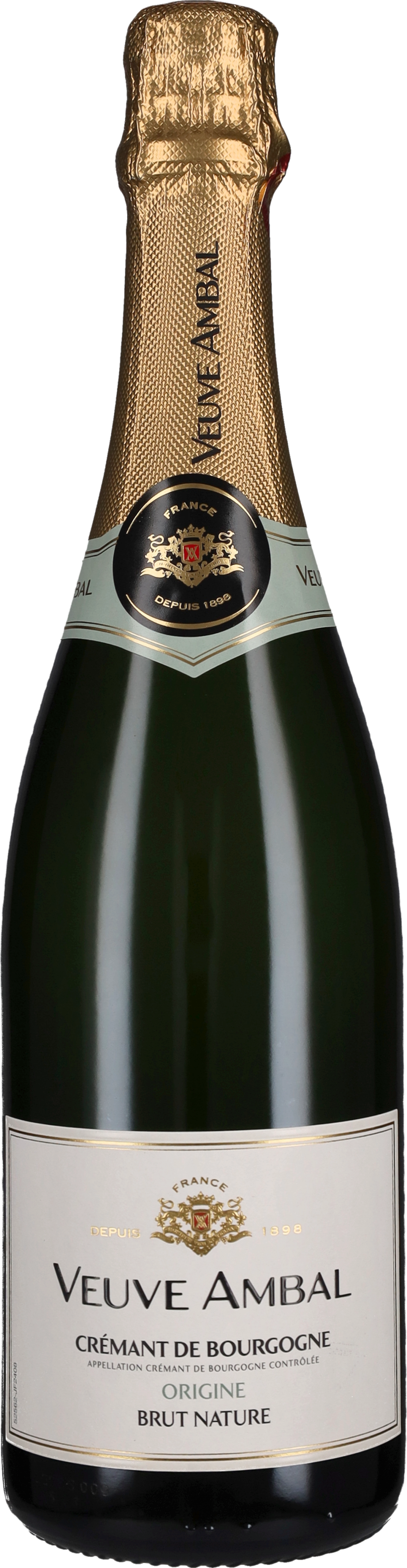
Cremant de Bourgogne Brut Nature Dosage Zero Veuve AmbalThe Cremant de Bourgogne Brut Nature Dosage Zero by Veuve Ambal is a Classic Method of great finesse and elegance, produced in the land of Burgundy. It is a cuvée made with the four most widespread grape varieties in the region: Pinot Noir, Chardonnay, Gamay, and Aligoté, which create a harmonious and well-balanced blend. The short aging period on the lees allows the sparkling wine to preserve the fragrance of varietal, floral, and fruity aromas, enriched by light and delicate evolving nuances of bread crust. The rich ripeness of the grapes allows for an intense zero dosage, of extraordinary purity and expressive freshness. The Brut Nature Dosage Zero is a Cremant de Bourgogne made by one of the most important producers in Burgundy. Veuve Ambal was founded at the end of the 1800s and for over a century has represented the history and tradition of Cremant de Bourgogne. The grapes of Pinot Noir, Chardonnay, Gamay, and Aligoté are grown in the typical clay-limestone soils of the region. At the end of the manual harvest, the the best bunches are transferred to the cellar for fermentations, which take place separately for each variety. After a few months of aging, the vins clairs are blended and the final cuvée is refermented in the bottle according to the Champenoise Method, with a stay on the lees of 18 months before disgorgement. The Dosage Zero Brut Nature Cremant de Bourgogne, produced by the famous Maison Veuve Ambal, is an interesting label that very well illustrates the great tradition and vocation of Burgundy in the realization of Classic Method. In appearance, it presents an intense yellow color with brilliant golden reflections, a delicate and continuous perlage. The bouquet is elegant, with subtle aromas of white flowers, citrus zest, lime, white-fleshed fruit, hints of tropical fruit, and sensations of bread crust. The sip is clear and taut, with ripe and creamy fruit, anticipating a finish of good persistence, characterized by sapidity and lively freshness.a young and lively Classic Method.24,00 £*Shipping: 48,00 £Secure redirect to the provider
-
Frick Pierre Cremant d'Alsace Brut Nature Pierre Frick 2022Il Cremant di Pierre Frick è una bollicina di rara finezza e complessità, metodo classico ottenuto da uve Auxerrois in purezza. È impossibile non sottolineare l'importanza che il nome di Frick riveste per il mondo del vino. Già, perché qui non si parla più di vini biologici, biodinamici o artigianali: qui si va oltre. Lo sguardo lungimirante e quasi visionario dei veri fuoriclasse, l'intuito e una buona dose di caparbietà: è così che Pierre Frick decide di convertire nel 1970 dapprima all'agricoltura biologica e nel 1981 alla biodinamica, quando ancora veniva accostata all'esoterismo. I risultati sono nettari cangianti e poliedrici, centrati ma al contempo così liberi espressivamente da lasciare spiazzati. Metro di paragone. Il Cremant di Frick è ottenuto da uve di Auxerrois in purezza da vigne situate in località "Rot Murlé", che poggiano su terreni calcarei ricchi di ferro. Se l'approccio agricolo, come già accennato, è quello di seguire pedissequamente le pratiche dell'agricoltura biodinamica, in cantina si prosegue sempre con l'intento di intervenire il meno possibile. Prima fermentazione alcolica spontanea dunque e seconda fermentazione in bottiglia tipica del Metodo Classico. Affina 12 mesi sui propri lieviti in bottiglia prima della messa in commercio. Il Cremant Frick si palesa nel bicchiere con una veste giallo carica ed un perlage estremamente fine. Naso complesso e variegato, ma al contempo sempre modulato, con delicati richiami alla vaniglia, alla crosta di pane croccante, al miele d'acacia oltre che ai fiori bianchi, i più disparati. Il sorso è slanciato e raffinato, trainato da un'appagante vena salina oltre che da una freschezza perfettamente integrata. Per la sua originalità e sconfinata duttilità gastronomica, è una bolla immancabile in cantina. Polivalente40,00 £*Shipping: 48,00 £Secure redirect to the provider
-
Cremant d'Alsace Extra Brut Meyer-FonnéThe Cremant d'Alsace completes the surprising range of Domaine Meyer-Fonné, characterized by artisanal productions with a strong territorial imprint and made according to a methodology and taste that are absolutely traditional. The Alsatian Extra Brut sparkling wine is a gem that easily appeals to all enthusiasts, far from the classic names associated with the traditional method. Domaine Meyer-Fonné produces its Cremant d’Alsace from classic varieties of Alsatian viticulture. Auxerrois, Pinot Blanc, Pinot Noir, complemented by a portion of Chardonnay, come from the territory of the various municipalities where the 18 hectares of owned vineyards extend, all in the area west of Colmar, thus representing an ideal blend of different terroirs. The highest vineyards are located at about 300 meters above sea level, and the compositions vary from poor alluvial soils to more or less deep clay and sandstone matrices, passing through granite rocks. The vines are managed with great sensitivity towards the environmental impact and all operations are carried out by hand, with harvesting done at the moment of ideal technological ripeness, carefully assessing the level of residual acids.environmental impact and all operations are carried out by hand, with harvesting done at the moment of ideal technological ripeness, carefully assessing the level of residual acids. The alcoholic fermentation for the production of the base wine takes place in stainless steel tanks, while the sparkling process in the bottle occurs at the beginning of the new year. The aging on the lees lasts for at least 12 months, with an extremely limited final dosage. Cremant d'Alsace by Meyer-Fonné presents itself in the glass with a fine and persistent effervescence, dressed in a clear straw yellow color. Great aromatic finesse on the nose, composed of intense and ripe hints of yellow-fleshed fruit as well as more fragrant notes of crunchy apple, together with warm references of bakery. The sip is tense with notes of chalky minerality, balanced between a very vertical freshness and a mature, comfortable softness. An obligatory Extra Brut for high-quality aperitifs, it pairs excellently with all preparations of raw fish.20,00 £*Shipping: 48,00 £Secure redirect to the provider


-
'How is it in Alsace?'
Alsace is a beautiful region in northeastern France known for its picturesque villages, vineyards, and charming countryside. The region has a rich cultural heritage with a mix of French and German influences, reflected in its architecture, cuisine, and traditions. Alsace is also famous for its wine production, particularly its white wines such as Riesling and Gewürztraminer. Overall, Alsace is a lovely place to visit, offering a unique blend of natural beauty, history, and gastronomy. **
-
What does "Brut des Teufels" mean in a dream?
"Brut des Teufels" is a German phrase that translates to "Devil's brood" in English. In a dream, this phrase could symbolize feelings of fear, danger, or the presence of evil forces. It may represent inner turmoil, negative influences, or a sense of being overwhelmed by dark emotions or experiences. It could also suggest a need to confront and overcome negative aspects of oneself or external challenges. **
-
Do D/D/D monsters count as D/D monsters?
Yes, D/D/D monsters do count as D/D monsters. D/D/D monsters are a subgroup within the larger D/D archetype, so they share the same naming convention and are considered part of the D/D family. This means that cards or effects that specifically refer to D/D monsters would also apply to D/D/D monsters. **
-
What are some beautiful excursions in Alsace?
Some beautiful excursions in Alsace include visiting the charming villages of Riquewihr and Eguisheim, known for their half-timbered houses and flower-filled streets. Another must-see is the picturesque town of Colmar, with its well-preserved old town and canals. Wine lovers will enjoy exploring the Alsace Wine Route, which winds through vineyards and picturesque villages, offering tastings at local wineries. Finally, a visit to the stunning Haut-Koenigsbourg Castle, perched on a hilltop with panoramic views of the surrounding countryside, is a must for history and architecture enthusiasts. **


What is the annexation of Alsace-Lorraine?
The annexation of Alsace-Lorraine refers to the territory in northeastern France that was annexed by Germany following the Franco-Prussian War of 1870-1871. This region had historically been part of France, but was ceded to Germany as part of the Treaty of Frankfurt. The annexation of Alsace-Lorraine was a source of tension between France and Germany and was a key factor leading to the outbreak of World War I. After World War I, Alsace-Lorraine was returned to France as part of the Treaty of Versailles in 1919. **
Is Alsace-Lorraine actually a German territory?
Alsace-Lorraine is a region with a complex history of changing hands between France and Germany. It was originally part of the Holy Roman Empire and later became part of France. After the Franco-Prussian War in 1871, Alsace-Lorraine was annexed by the German Empire. However, after World War I, it was returned to France as part of the Treaty of Versailles in 1919. Today, Alsace-Lorraine is a region in France with a unique cultural blend of French and German influences. **
Top-Angebote
Products related to Cremant-d-Alsace-Brut:
-
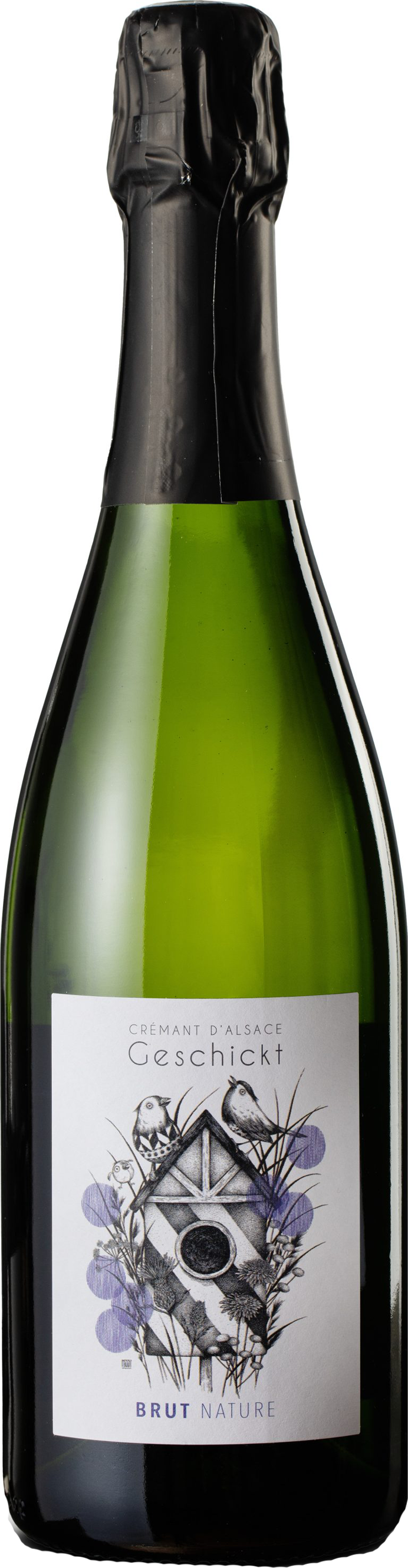
Cremant d'Alsace Brut Nature GeschicktGeschickt's Cremant d'Alsace Brut Nature is a Classical Method sparkling wine that is appreciated for its dry and taut progression, of great expressive purity. In fact, this Cremant d'Alsace is marketed without any addition of liqueur de dosage, that sugary syrup traditionally added to Classical Method sparkling wines after the degorgement operation. This choice is in line with the Domaine's production philosophy, aimed at enhancing the identity of the terroir, excluding any invasive practice that might in any way interfere with the unique expression of the wines.Geschickt Cremant d'Alsace Brut Nature is made from a blend of Chardonnay and Pinot Blanc grapes grown in accordance with the dictates of organic and biodynamic agriculture. The grapes are harvested by hand and in the cellar the bunches undergo a soft pressing followed by spontaneous alcoholic fermentation of the must by the action of only indigenous yeasts. Malolactic fermentation also takes place spontaneously and, after a few months of maturation in stainless steel tanks, the sparkling wine base is bottled with theaddition of refrigerated must as a source of sugars for bottle frothing according to the Metodo Classico. Staying sur lattes in glass lasts for 12 months, at the end of which degorgement is carried out and subsequent topping up with the same wine, thus without dosage.Brut Nature Geschickt Cremant d'Alsace has a straw-yellow color with a fine and persistent perlage. The nose offers gentle aromas of slightly ripe fresh fruit and white flowers, enriched by a fine mineral vein and hints of bread crust. Dry and delicate the sip, very refreshing, with a dry, clean finish that invites you to return and return to the glass.27,00 £*Shipping: 48,00 £Secure redirect to the provider
-
Cremant de Bourgogne Brut Nature Dosage Zero Veuve AmbalThe Cremant de Bourgogne Brut Nature Dosage Zero by Veuve Ambal is a Classic Method of great finesse and elegance, produced in the land of Burgundy. It is a cuvée made with the four most widespread grape varieties in the region: Pinot Noir, Chardonnay, Gamay, and Aligoté, which create a harmonious and well-balanced blend. The short aging period on the lees allows the sparkling wine to preserve the fragrance of varietal, floral, and fruity aromas, enriched by light and delicate evolving nuances of bread crust. The rich ripeness of the grapes allows for an intense zero dosage, of extraordinary purity and expressive freshness. The Brut Nature Dosage Zero is a Cremant de Bourgogne made by one of the most important producers in Burgundy. Veuve Ambal was founded at the end of the 1800s and for over a century has represented the history and tradition of Cremant de Bourgogne. The grapes of Pinot Noir, Chardonnay, Gamay, and Aligoté are grown in the typical clay-limestone soils of the region. At the end of the manual harvest, the the best bunches are transferred to the cellar for fermentations, which take place separately for each variety. After a few months of aging, the vins clairs are blended and the final cuvée is refermented in the bottle according to the Champenoise Method, with a stay on the lees of 18 months before disgorgement. The Dosage Zero Brut Nature Cremant de Bourgogne, produced by the famous Maison Veuve Ambal, is an interesting label that very well illustrates the great tradition and vocation of Burgundy in the realization of Classic Method. In appearance, it presents an intense yellow color with brilliant golden reflections, a delicate and continuous perlage. The bouquet is elegant, with subtle aromas of white flowers, citrus zest, lime, white-fleshed fruit, hints of tropical fruit, and sensations of bread crust. The sip is clear and taut, with ripe and creamy fruit, anticipating a finish of good persistence, characterized by sapidity and lively freshness.a young and lively Classic Method.24,00 £*Shipping: 48,00 £Secure redirect to the provider
-
Frick Pierre Cremant d'Alsace Brut Nature Pierre Frick 2022Il Cremant di Pierre Frick è una bollicina di rara finezza e complessità, metodo classico ottenuto da uve Auxerrois in purezza. È impossibile non sottolineare l'importanza che il nome di Frick riveste per il mondo del vino. Già, perché qui non si parla più di vini biologici, biodinamici o artigianali: qui si va oltre. Lo sguardo lungimirante e quasi visionario dei veri fuoriclasse, l'intuito e una buona dose di caparbietà: è così che Pierre Frick decide di convertire nel 1970 dapprima all'agricoltura biologica e nel 1981 alla biodinamica, quando ancora veniva accostata all'esoterismo. I risultati sono nettari cangianti e poliedrici, centrati ma al contempo così liberi espressivamente da lasciare spiazzati. Metro di paragone. Il Cremant di Frick è ottenuto da uve di Auxerrois in purezza da vigne situate in località "Rot Murlé", che poggiano su terreni calcarei ricchi di ferro. Se l'approccio agricolo, come già accennato, è quello di seguire pedissequamente le pratiche dell'agricoltura biodinamica, in cantina si prosegue sempre con l'intento di intervenire il meno possibile. Prima fermentazione alcolica spontanea dunque e seconda fermentazione in bottiglia tipica del Metodo Classico. Affina 12 mesi sui propri lieviti in bottiglia prima della messa in commercio. Il Cremant Frick si palesa nel bicchiere con una veste giallo carica ed un perlage estremamente fine. Naso complesso e variegato, ma al contempo sempre modulato, con delicati richiami alla vaniglia, alla crosta di pane croccante, al miele d'acacia oltre che ai fiori bianchi, i più disparati. Il sorso è slanciato e raffinato, trainato da un'appagante vena salina oltre che da una freschezza perfettamente integrata. Per la sua originalità e sconfinata duttilità gastronomica, è una bolla immancabile in cantina. Polivalente40,00 £*Shipping: 48,00 £Secure redirect to the provider
-
Highest mountain in Alsace
The highest mountain in Alsace is the Grand Ballon, also known as the Grosser Belchen. It is part of the Vosges mountain range and reaches an elevation of 1,424 meters (4,672 feet) above sea level. The Grand Ballon offers stunning panoramic views of the surrounding area and is a popular destination for hikers and outdoor enthusiasts. It is also home to a meteorological observatory at its summit. **
-
How long does a Chardonnay Brut last?
Chardonnay Brut typically has a shelf life of 3-5 years if stored properly. It is best enjoyed within the first 1-2 years to fully appreciate its fresh and fruity flavors. However, some higher quality Chardonnay Brut wines can age gracefully for up to 5 years, developing more complex and toasty characteristics. It is important to store the wine in a cool, dark place and away from any strong odors to ensure it lasts as long as possible. **
-
'How is it in Alsace?'
Alsace is a beautiful region in northeastern France known for its picturesque villages, vineyards, and charming countryside. The region has a rich cultural heritage with a mix of French and German influences, reflected in its architecture, cuisine, and traditions. Alsace is also famous for its wine production, particularly its white wines such as Riesling and Gewürztraminer. Overall, Alsace is a lovely place to visit, offering a unique blend of natural beauty, history, and gastronomy. **
-
What does "Brut des Teufels" mean in a dream?
"Brut des Teufels" is a German phrase that translates to "Devil's brood" in English. In a dream, this phrase could symbolize feelings of fear, danger, or the presence of evil forces. It may represent inner turmoil, negative influences, or a sense of being overwhelmed by dark emotions or experiences. It could also suggest a need to confront and overcome negative aspects of oneself or external challenges. **
Similar search terms for Cremant-d-Alsace-Brut
-
Cremant d'Alsace Extra Brut Meyer-FonnéThe Cremant d'Alsace completes the surprising range of Domaine Meyer-Fonné, characterized by artisanal productions with a strong territorial imprint and made according to a methodology and taste that are absolutely traditional. The Alsatian Extra Brut sparkling wine is a gem that easily appeals to all enthusiasts, far from the classic names associated with the traditional method. Domaine Meyer-Fonné produces its Cremant d’Alsace from classic varieties of Alsatian viticulture. Auxerrois, Pinot Blanc, Pinot Noir, complemented by a portion of Chardonnay, come from the territory of the various municipalities where the 18 hectares of owned vineyards extend, all in the area west of Colmar, thus representing an ideal blend of different terroirs. The highest vineyards are located at about 300 meters above sea level, and the compositions vary from poor alluvial soils to more or less deep clay and sandstone matrices, passing through granite rocks. The vines are managed with great sensitivity towards the environmental impact and all operations are carried out by hand, with harvesting done at the moment of ideal technological ripeness, carefully assessing the level of residual acids.environmental impact and all operations are carried out by hand, with harvesting done at the moment of ideal technological ripeness, carefully assessing the level of residual acids. The alcoholic fermentation for the production of the base wine takes place in stainless steel tanks, while the sparkling process in the bottle occurs at the beginning of the new year. The aging on the lees lasts for at least 12 months, with an extremely limited final dosage. Cremant d'Alsace by Meyer-Fonné presents itself in the glass with a fine and persistent effervescence, dressed in a clear straw yellow color. Great aromatic finesse on the nose, composed of intense and ripe hints of yellow-fleshed fruit as well as more fragrant notes of crunchy apple, together with warm references of bakery. The sip is tense with notes of chalky minerality, balanced between a very vertical freshness and a mature, comfortable softness. An obligatory Extra Brut for high-quality aperitifs, it pairs excellently with all preparations of raw fish.20,00 £*Shipping: 48,00 £Secure redirect to the provider
-
Do D/D/D monsters count as D/D monsters?
Yes, D/D/D monsters do count as D/D monsters. D/D/D monsters are a subgroup within the larger D/D archetype, so they share the same naming convention and are considered part of the D/D family. This means that cards or effects that specifically refer to D/D monsters would also apply to D/D/D monsters. **
-
What are some beautiful excursions in Alsace?
Some beautiful excursions in Alsace include visiting the charming villages of Riquewihr and Eguisheim, known for their half-timbered houses and flower-filled streets. Another must-see is the picturesque town of Colmar, with its well-preserved old town and canals. Wine lovers will enjoy exploring the Alsace Wine Route, which winds through vineyards and picturesque villages, offering tastings at local wineries. Finally, a visit to the stunning Haut-Koenigsbourg Castle, perched on a hilltop with panoramic views of the surrounding countryside, is a must for history and architecture enthusiasts. **
-
What is the annexation of Alsace-Lorraine?
The annexation of Alsace-Lorraine refers to the territory in northeastern France that was annexed by Germany following the Franco-Prussian War of 1870-1871. This region had historically been part of France, but was ceded to Germany as part of the Treaty of Frankfurt. The annexation of Alsace-Lorraine was a source of tension between France and Germany and was a key factor leading to the outbreak of World War I. After World War I, Alsace-Lorraine was returned to France as part of the Treaty of Versailles in 1919. **
-
Is Alsace-Lorraine actually a German territory?
Alsace-Lorraine is a region with a complex history of changing hands between France and Germany. It was originally part of the Holy Roman Empire and later became part of France. After the Franco-Prussian War in 1871, Alsace-Lorraine was annexed by the German Empire. However, after World War I, it was returned to France as part of the Treaty of Versailles in 1919. Today, Alsace-Lorraine is a region in France with a unique cultural blend of French and German influences. **
* All prices are inclusive of VAT and, if applicable, plus shipping costs. The offer information is based on the details provided by the respective shop and is updated through automated processes. Real-time updates do not occur, so deviations can occur in individual cases. ** Note: Parts of this content were created by AI.